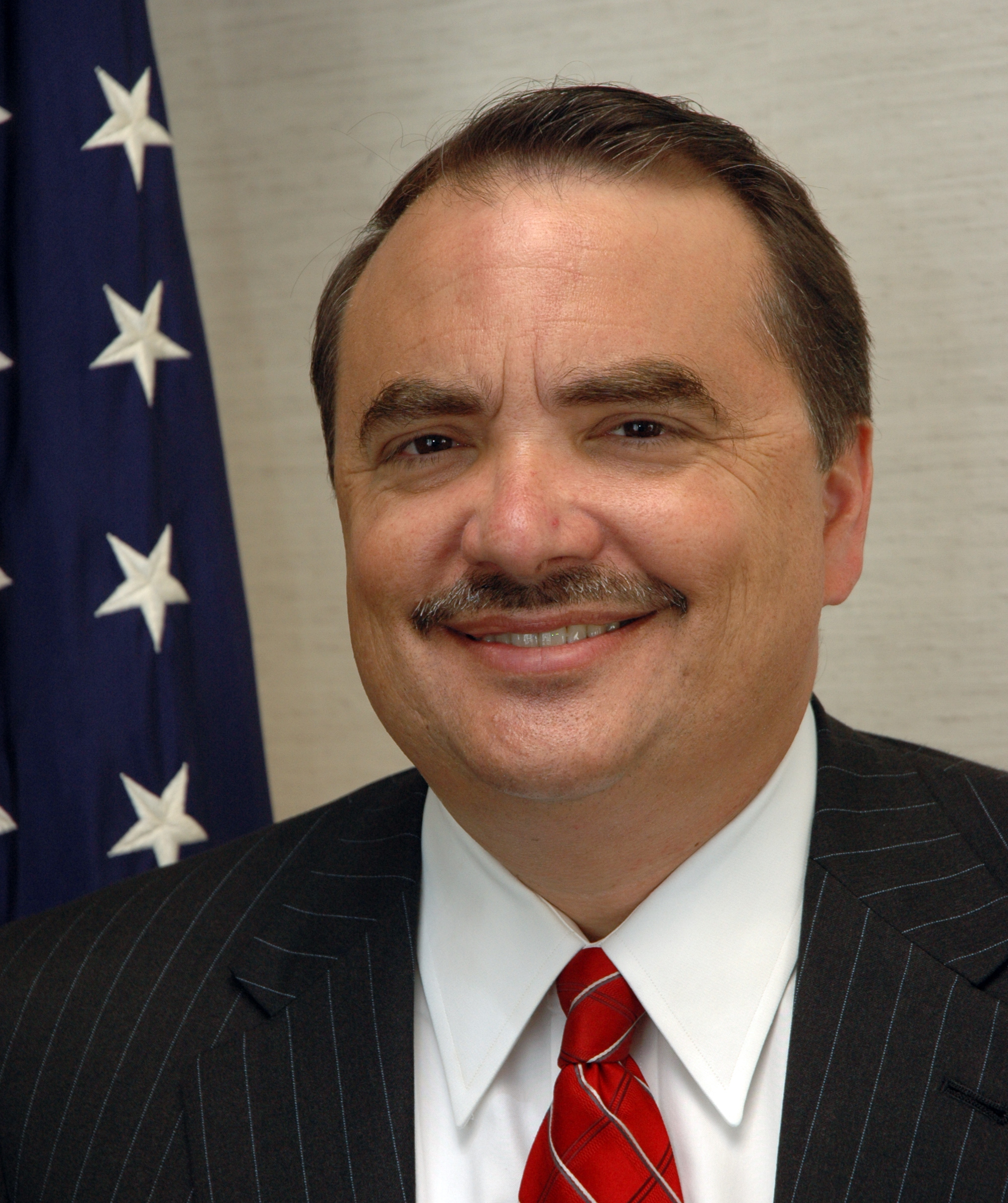
 José R. Cárdenas served in several foreign policy positions during the George W. Bush administration (2004-2009), including on the National Security Council staff. He is a consultant with Vision Americas in Washington, DC.
The Venezuelan opposition celebrated another milestone on its path back to credibility and influence when more than three million Venezuelans turned out to select Miranda Governor Henrique Capriles Radonski as its unity candidate for the scheduled October 2012 presidential elections.
For their efforts, they now get to face a politically agile, autocratic incumbent, armed only with their determination and commitment to democratic principles.
On paper, the candidate and the prevailing situation in the country appear to provide Venezuelan democrats their most propitious moment in more than a decade to launch a serious challenge to Hugo Chávez.
Governor Capriles is young, telegenic, and untainted by associations with the old political parties that brought the opposition into such ill repute. He understands Chávez’s appeal with the masses and knows he must win over disaffected Chávez supporters to have any chance in October. He is also campaigning on a platform of reconciliation and an end to the confrontational politics that have defined the Chávez era.
Secondly, conditions in Venezuela would appear to favor a new direction in the country. Chávez’s working class base has been buffeted by an array of problems recently, including the highest inflation rate in the region, rampant crime, unemployment, and shortages of basic goods and services.
Then, there is the question of Chávez’s health. His claim to be cured of cancer is unlikely as evidenced by his recent announcement of a new “lesion” that needs to be surgically removed in the same spot as a previously extracted tumor. As a result, the prospect of whether or not he will even make it to October if his health should take a turn for the very worst remains very much alive in people’s minds. That uncertainty — created first and foremost by him — means many voters will likely start contemplating alternatives.
All three factors are clearly in Capriles’ favor. But, as one prominent oppositionist put it bluntly, “Venezuelan elections may be free, but they are not fair.” Capriles conceded the point himself when he said after the primary, “This will not be easy.”
Indeed, it won’t be. Already the vicious personal attacks against Capriles have begun, with Chavistas making vulgar slurs about his supposed sexuality and his Jewish heritage.
Moreover, for all its current vulnerabilities, Chávismo remains a formidable force. With his populist personality backing fueled by billions in petro-dollars, his control over most mass media, and his street militias ready to intimidate and threaten anyone perceived as an opponent, Chávez is not about to relinquish power quietly or democratically.
Add to this toxic mix the interests of regimes in Cuba, Russia, Iran, and China, who likewise are not about to accept the end of their lucrative associations with Chávez.
Finally, recent appointments of military cronies — one under sanction by the U.S. for drug trafficking — to powerful positions has led to speculation of whether there will be an election at all, if Chávez or his successors see their fortunes going south.
As Bruce Bagley, a Latin American expert at the University of Miami, told the Wall Street Journal, “The possibility of a pro-Chávez military coup, an ‘auto golpe,’ can’t be discarded if the opposition mounts a serious electoral challenge to President Chávez. Too many of the Chávez government’s top officials, including newly named defense minister Gen. Henry Rangel Silva, are subject to U.S. or international indictments and possible extradition if the Chávez government is ousted from power to willingly permit such an adverse outcome.”
What this means is that the U.S. and other like-minded democracies in the region need to stand in solidarity with the Venezuelan opposition’s demands for some semblance of transparency and accountability of the Chávez government during the electoral campaign. Everyone knows Chávez will not play fairly in the elections. The question is whether his behavior — or that of his successors — can be mitigated in some way by strong international monitoring, giving the democratic opposition the closest thing to a level playing field and thus a fair chance to win in October.