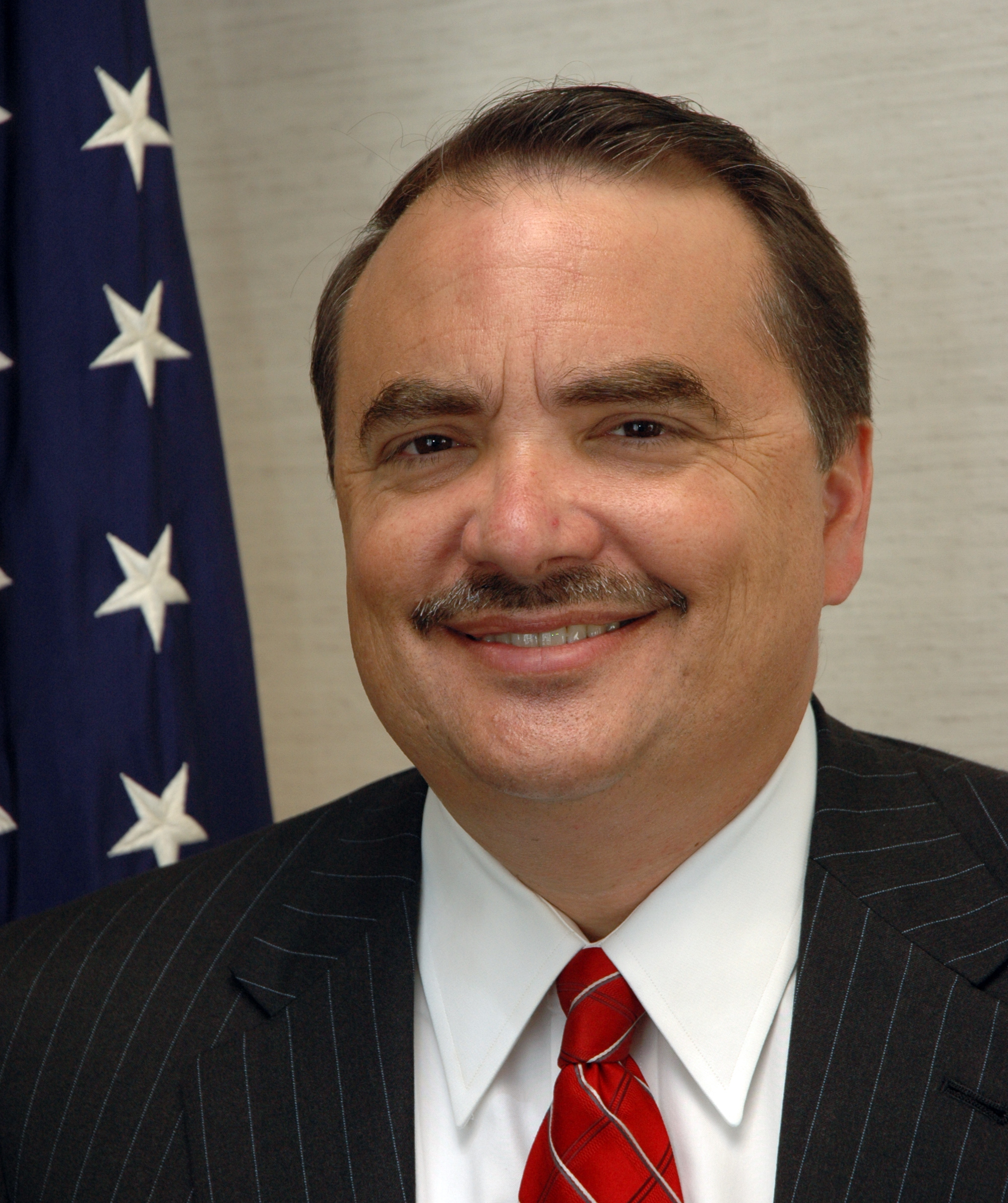
 José R. Cárdenas served in several foreign policy positions during the George W. Bush administration (2004-2009), including on the National Security Council staff. He is a consultant with Vision Americas in Washington, DC.
Over the last century, cross-border trade and investment have proved essential to global economic development by pulling billions of the world’s citizens out of abject poverty. To promote and protect capital flows and foreign investments from arbitrary predations of governments, delicate international legal and economic frameworks have been set up. These bodies rest on no more authority than the commitment of member governments to play by the rules for the common good. Hugo Chávez, for his part, is committed only to kicking down that barn. He recently took to the Venezuelan airwaves on his signature show, Aló Presidente, to proclaim that he has no intention of abiding by any ruling by the World Bank’s International Center for Settlement of Investment Disputes (ICSID) over his government’s confiscation of Exxon-Mobil’s assets in Venezuela in 2007. Exxon is seeking some $7 billion in compensation.
“We are not going to bow before imperialism and its tentacles,” Chávez said. “Understand that … They are trying the impossible: to get us to pay them. We are not going to pay them anything.”
Mr. Chávez acts as if Venezuela’s oil patrimony spares him from the obligation to follow accepted standards of behavior. And, like most leftist ideologues stuck in a time warp, he also believes that such investments are inherently exploitative of the host country. In typical grandiose fashion, he is thus out to avenge decades of unspecified foreign “plundering” of Venezuela by refusing to compensate Exxon.
The problem is that it isn’t that easy. It’s not as if Chávez can pick up his bags and go home. There are repercussions for such actions and, unfortunately, it will be the Venezuelan people who feel the brunt of Chávez’s grandstanding.
For all of Chávez’s bravado, the fact remains that Venezuela has a very real, legal obligation to address the 20 or so pending disputes filed against it at ICSID (worth about $23 billion in outstanding obligations) for expropriated properties. That’s because the ICSID has very real enforcement mechanisms that give successful claimants the right to enforce against assets in third party states. In other words, companies will be able to go after Venezuelan assets in the United States, such as oil refineries.
Moreover, jilting foreign investors will wreak havoc in international financial markets for Venezuela, damaging its credibility and putting significant downward pressure on Venezuelan bonds while harming other efforts to obtain credit. And this would come at a time when Chávez, running for re-election, relies on creditors to help him continue ramping up government spending.
Finally, it will certainly hurt the Venezuelan oil industry and continue Chávez’s steady suffocation of his Golden Goose, PDVSA. Venezuela, of course, sits atop some of the largest oil reserves in the world, but that thick crude doesn’t come out of the earth by itself. It requires tens of billions of dollars in investment and ever-more sophisticated technologies to find it, pump it out, and refine it.
By all accounts, Venezuelan production is stagnating because of a lack of investment (among other problems, such as cronyism). Major international oil companies will certainly be wary about the Venezuelan market, if they see they can be victimized at any moment by arbitrary government decisions without compensation.
Chávez continues to demonstrate that the concepts of contract sanctity and respect for the rule of law and private property rights are meaningless to him. While engaging in demagoguery against “evil” multinationals may make for good television, at the end of the day, it won’t put food in Venezuelans’ stomachs or make their streets safer. Violating international economic agreements, however, will carry consequences. There is a good chance that Chávez won’t be around when the bill collector shows up at the door, which will leave the Venezuelan people to clean up the mess he leaves behind.